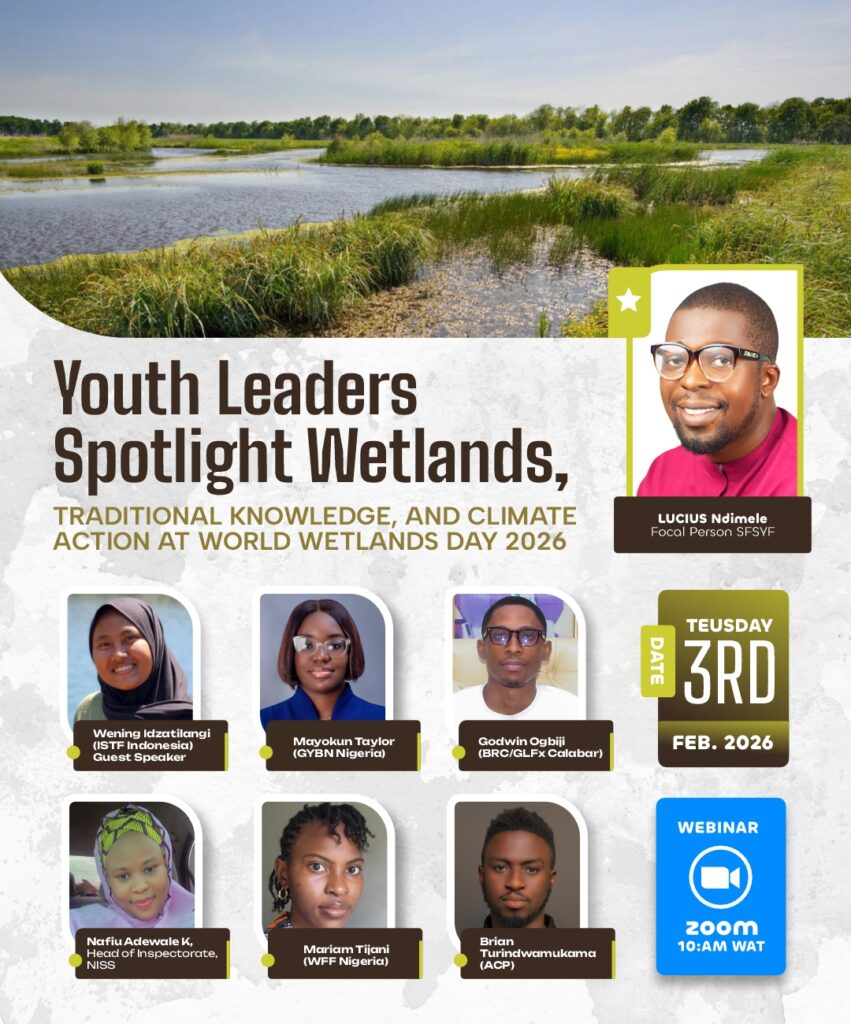
To commemorate World Wetlands Day 2026, on February 2, 2026 leading youth networks convened a high-level virtual webinar titled “Wetlands and Traditional Knowledge: Celebrating Cultural Heritage through Youth Action for Food Systems and Climate Resilience.”
The event was convened by the Sustainable Food Systems Youth Foundation (SFSYF) in collaboration with World Food Forum (WFF) Nigeria, Global Youth Biodiversity Network (GYBN) Nigeria, LCOY Nigeria, Biodiversity Rescue Club, and partner youth organizations, with technical and promotional collaboration from the Ramsar Convention on Wetlands.
In his opening address, Lucius Ndimele Chimezie, Founder of the Sustainable Food Systems Youth Foundation, set the tone by emphasizing that wetlands are natural infrastructure essential to food systems, livelihoods, biodiversity, and climate resilience, yet remain undervalued in policy, education, and youth engagement. He stressed that protecting wetlands must move beyond environmental rhetoric to deliberate action, calling on young people to become stewards of wetlands through advocacy, education, and community-based initiatives.
Moderating the session, Mayokun Taylor (GYBN Nigeria) guided discussions on youth leadership, underscoring the need to reposition wetlands from “marginal lands” to strategic assets for national development. He emphasized the role of youth in bridging traditional knowledge systems with modern science and policy.
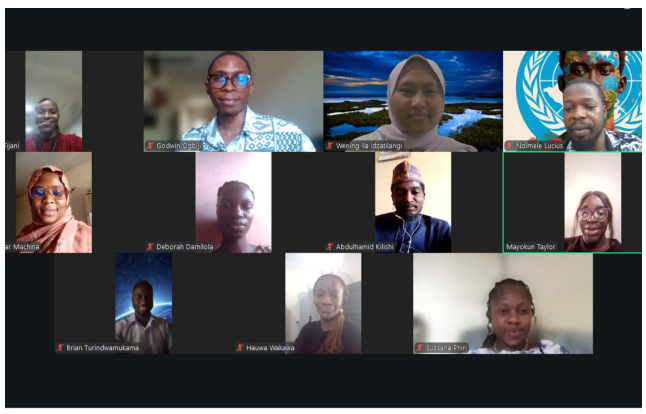
The keynote address was delivered by Wening Idzatilangi (ISTF Indonesia), who spoke on the role of traditional and indigenous knowledge systems in wetland and peatland management, drawing from global and community-based experiences. She highlighted how indigenous stewardship, when respected and integrated into policy frameworks, enhances ecosystem resilience and climate adaptation.
Representing World Food Forum Nigeria, Mariam Tijani highlighted the strong link between wetlands and food systems, noting that sustainable food production, nutrition security, and youth engagement depend on the protection of wetlands and water ecosystems.
Bintu Machina (LCOY Nigeria) emphasized wetlands as frontline climate solutions, noting their role in flood regulation, carbon sequestration, and climate adaptation. She called for stronger youth advocacy to ensure wetlands are reflected in national climate policies and local climate action plans.
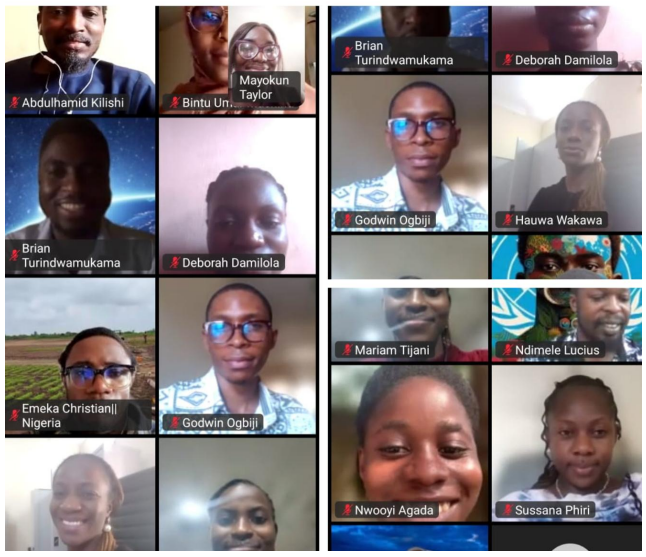
Bintu Machina (LCOY Nigeria) emphasized wetlands as frontline climate solutions, noting their role in flood regulation, carbon sequestration, and climate adaptation. She called for stronger youth advocacy to ensure wetlands are reflected in national climate policies and local climate action plans.
Speaking on biodiversity conservation, Godwin Ogbiji (Biodiversity Rescue Club / GLFx Calabar) shared examples of youth-led wetland and mangrove restoration efforts, stressing the importance of community engagement and environmental education in safeguarding wetland biodiversity.
Adding a broader youth collaboration perspective, Brian Turindwamukama (ACP) emphasized the importance of cross-sector and cross-border youth collaboration to protect wetlands as shared ecological and cultural heritage.
The webinar concluded with a call for sustained youth action, deeper partnerships, and the integration of traditional knowledge into environmental education, policy, and practice. Organizers reaffirmed that protecting wetlands is not merely an environmental concern, but a food systems, climate, and development priority for Nigeria and the global community.